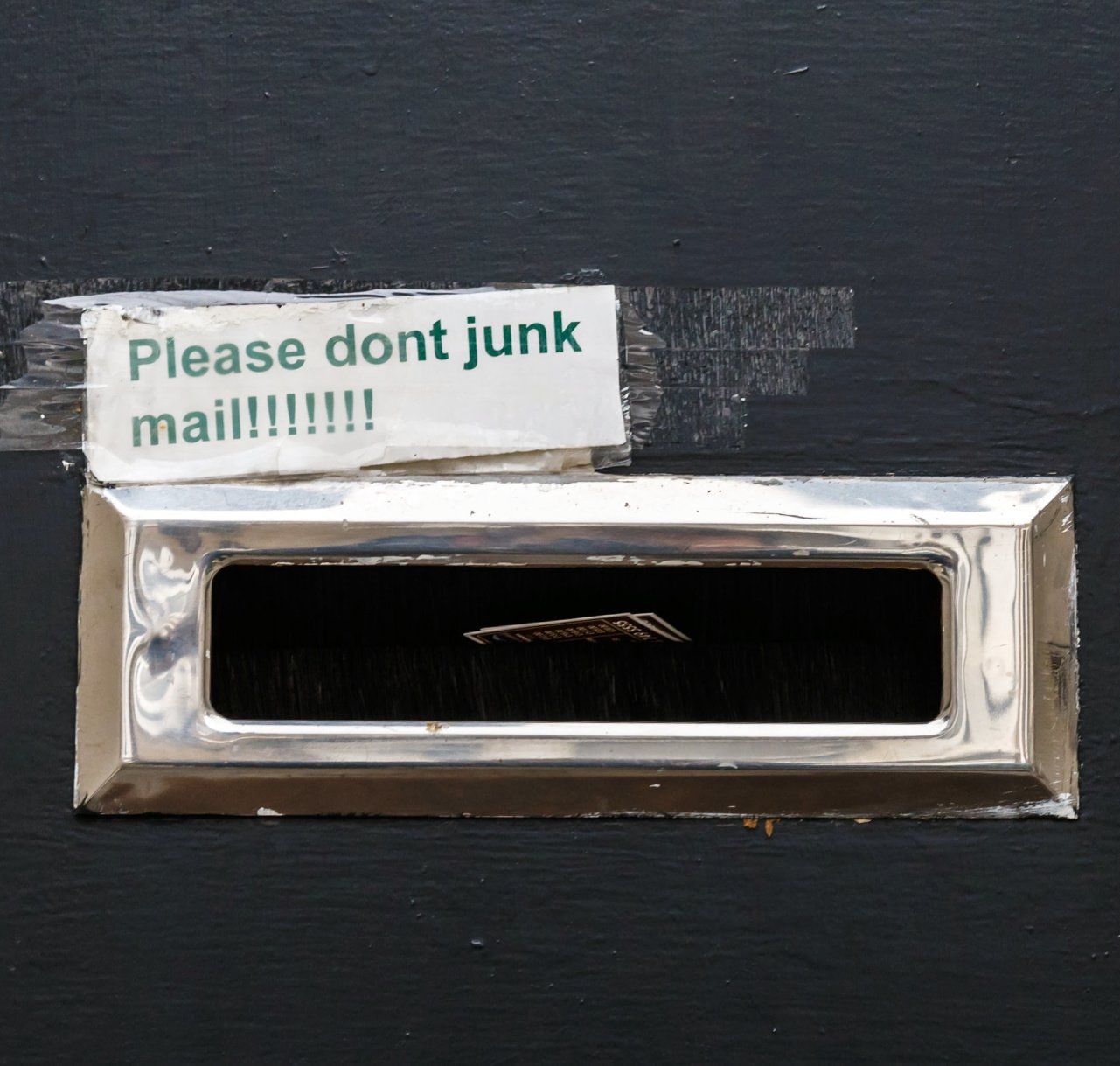
There was a time when the phrase direct mail meant a pile of glossy envelopes destined straight for the recycling bin. Entire generations still carry a little “junk mail trauma”—mostly Gen Xers, who developed lightning-fast reflexes for tossing anything that looked remotely like a coupon pack.
But the world has shifted. Mailboxes are quieter now. People actually look at what arrives. And direct mail—done thoughtfully—has become one of the most reliable ways to reach real humans without fighting algorithms or hoping a social post lands at the right time of day.
So if it’s been a while since you’ve given direct mail a fair shake, here’s a friendly walk-through of what’s changed, what works, and how to make the most of it.
Start with the “Who” before the “How”
Modern direct mail isn’t a spray-and-pray operation anymore. Today you can decide exactly who should see something, and build a piece that feels like it belongs in their mailbox.
There are a few main ways to send mail now:
-
Every Door Direct Mail (EDDM):
Great when everyone in a neighborhood should know something—events, community updates, public notices. No list required. Just pick the routes.
-
Addressed Mail:
Useful when the message should land with specific people—members, donors, partners, customers. A list goes in, a targeted mailing comes out.
And often the best approach is a mix: start wide, then follow up personally with key partners or supporters.
It’s a nice blend of broad awareness and human-scaled connection.
But delivery method is only half the story. The real magic comes from knowing what people will open, and why.
People open what feels meant for them
Direct mail works when it doesn’t look like direct mail. The pieces that get opened are:
- personal without trying too hard,
- relevant to what’s happening nearby,
- visually calm (not shouting in coupon-speak),
- and designed creatively, intentionally with the recipient in mind.
In other words: If it walks like “junk mail,” it dies like junk mail. If it looks like thoughtful communication, it gets attention.
Targeting got smarter
In the old days, mailing lists were… let’s say “hopeful.” Today, tools and data make it possible to be:
- specific about geography,
- selective about demographics,
- careful about who gets which version of a piece,
- and mindful of avoiding wasted postage.
Even simple segmentation—“business owners here,” “families there,” “donors everywhere”—goes a long way.
And yes, AI helps with this too. Better lists, cleaner addresses, and smarter message testing all add up to mail that doesn’t feel random.
Design matters more than ever
There’s a sweet spot between “professional” and “overproduced.” Pieces that feel human—warm colors, clean typography, plain language—outperform the ones that look like they were generated by a marketing robot running on expired toner.
A few neighbor-approved design tips:
- Use local imagery whenever possible, even artwork (with permission of course).
- Don’t overload the page. Mail is skimmed first, read second.
- Give people one clear action—call, visit, scan, show up.
- And most importantly: if you think it looks like junk mail, they will too.
Message is everything
This might be the most overlooked truth in direct mail: The content carries the campaign.
Beautiful paper, perfect targeting, clever timing—none of it works if the message doesn’t land both emotionally and logically. The strongest pieces:
- speak to the heart and the mind,
- offer something genuinely useful,
- sound like a person, not a committee,
- and get to the point without fuss.
People can smell filler from a mile away.
“Snail mail” makes a comeback
Here’s the twist: While email inboxes flood and social media scrolls endlessly, the average American mailbox has grown calmer. There’s space again. And that means attention—real, physical attention—has become easier to earn.
Many folks now treat their mail as a small daily ritual: a scan, a shuffle, a sort, and a mental “keep, toss, or read later.” If a piece is relevant, pretty, or novel, it jumps straight to the “keep” pile.
And that’s the whole point of direct mail today: Get into the “keep” pile.
Follow-through makes it measurable
Mail used to be a black box: send it, hope for the best. Not anymore.
QR codes, short URLs, trackable phone extensions, and coordinated digital campaigns now make it easy to see:
- who engaged,
- where responses came from,
- and which routes or audiences performed best.
Direct mail and digital aren’t rivals anymore—they’re teammates.
If you’d like a hand putting any of this into practice…
Direct mail today is part craft, part logistics, part strategy—and it’s absolutely doable with the right support.
If you’re curious about how a mailing might work for your organization, or you have an idea you’d like to try, East Falls Media is always happy to talk it through and help you map out next steps. Friendly advice, practical options, no pressure.
📬 Let’s make something worth opening.